 Taylor, Michigan 48180
 USDOT# 4335661 · MC# 1693347
 BBB Accredited Business
 4.9/5 on Google
 (517) 908-8863
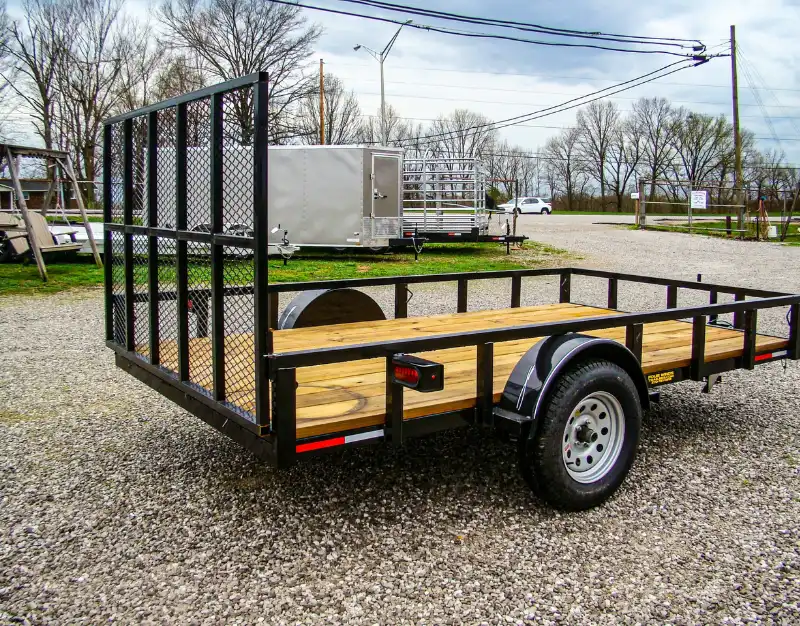
Shipping a vehicle is not just about moving it from point A to point B. The method you choose can affect cost, safety, and delivery time. That is why understanding the different types of trailers for cars is essential before booking any service.
Whether you are relocating, buying a car online, or managing dealership inventory, choosing the right trailer ensures your vehicle arrives safely and efficiently. At Swift Auto Transport, we help customers select the most suitable transport option based on their needs, vehicle type, and budget.
In this guide, we will break down all major auto transport trailer types, compare open vs enclosed car transport, and help you decide the best solution for your situation.
Main Categories of Car Transport Trailers
Open Car Transport Trailers
Open car transport is the most common and widely used option in the industry. These car carrier trailers are the ones you often see on highways carrying multiple vehicles.
Key Features:
- No roof or side protection
- Can carry multiple vehicles
- Cost-effective and widely available
Benefits:
- Lower cost compared to enclosed trailers
- Faster scheduling due to high availability
- Ideal for standard vehicles and daily drivers
Best Use Cases:
- Sedans, SUVs, and trucks
- Dealership inventory transport
- Budget-friendly shipping
Enclosed Car Transport Trailers
Enclosed trailers provide full protection for vehicles during transport. These are premium car shipping trailers designed for high-value or sensitive vehicles.
Key Features:
- Fully covered with walls and roof
- Protection from weather, debris, and dust
- Limited capacity compared to open trailers
Benefits:
- Maximum protection and security
- Ideal for luxury, classic, and exotic cars
- Reduced risk of scratches or damage
Best Use Cases:
- Luxury vehicles
- Classic or vintage cars
- High-end sports cars
Types of Open Car Trailers
Single Vehicle Hotshot Trailers
These trailers are designed to transport one vehicle at a time using a pickup truck and a flatbed trailer.
Capacity: 1 vehicle
When to Use:
- Urgent deliveries
- Short-distance transport
- High-priority shipments
Pros:
- Faster pickup and delivery
- Flexible scheduling
- Direct transport with minimal stops
Cons:
- Higher cost per vehicle
- Limited availability compared to multi-car carriers
Single-Level Multi-Car Trailers
These trailers carry multiple vehicles on a single level platform.
Capacity: 2 to 6 vehicles
When to Use:
- Regional transport
- Medium-distance shipping
- Smaller vehicle batches
Pros:
- Balanced cost and speed
- Easier loading and unloading
- Suitable for larger vehicles like trucks
Cons:
- Less efficient than multi-level carriers
- Slightly higher cost than standard open transport
Multi-Level Multi-Car Carriers
These are the most common car carrier trailers used for long-distance shipping.
Capacity: 7 to 10 vehicles
When to Use:
- Long-distance transport
- Bulk vehicle shipping
- Dealership deliveries
Pros:
- Most cost-effective option
- High availability nationwide
- Efficient for large shipments
Cons:
- Longer delivery times due to multiple stops
- Exposure to weather and road debris
Types of Enclosed Car Trailers
Single-Car Enclosed Trailers
These trailers transport one vehicle inside a fully enclosed space.
Capacity: 1 vehicle
Protection Level: Maximum
Best For:
- Exotic cars
- Rare collectibles
- High-value vehicles
Advantages:
- Full protection from external elements
- Personalized handling
- Minimal risk of damage
Drawbacks:
- Higher cost
- Limited availability
Multi-Car Enclosed Trailers
These trailers carry multiple vehicles inside an enclosed structure.
Capacity: 2 to 6 vehicles
Protection Level: High
Best For:
- Luxury dealerships
- Car collectors shipping multiple vehicles
- Auction purchases
Advantages:
- Better cost efficiency than single enclosed trailers
- High protection level
- Professional handling
Drawbacks:
- Slightly longer delivery time
- Higher cost than open transport
Soft-Sided vs Hard-Sided Enclosed Trailers
Enclosed trailers come in two main types based on their structure.
Soft-Sided Enclosed Trailers:
- Made with durable fabric sides
- Lightweight and flexible
- Lower cost than hard-sided trailers
Hard-Sided Enclosed Trailers:
- Solid walls made of metal or fiberglass
- Maximum protection
- Higher security against external impact
Which One to Choose:
- Soft-sided for moderate protection and lower cost
- Hard-sided for maximum safety and premium vehicles
Open vs Enclosed Car Transport
Choosing between open vs enclosed car transport depends on your priorities.
Cost:
- Open transport is more affordable
- Enclosed transport costs more due to added protection
Safety:
- Open trailers are safe but exposed
- Enclosed trailers offer maximum protection
Speed:
- Open transport is faster due to availability
- Enclosed transport may take longer to schedule
Best Use Cases:
- Open transport for everyday vehicles
- Enclosed transport for luxury or classic cars
Alternative Vehicle Transport Options
Air Freight
The fastest but most expensive method.
Best For:
- Urgent international shipping
- High-value vehicles
Rail Transport
Vehicles are transported via train.
Best For:
- Long-distance domestic shipping
- Cost-effective bulk transport
Sea Shipping
Used for international transport across oceans.
Best For:
- Overseas relocation
- Import and export of vehicles
How to Choose the Right Trailer
Selecting the right auto transport trailer type depends on several factors.
Budget
If cost is a concern, open transport is the most economical choice.
Vehicle Type
Luxury and classic cars benefit from enclosed trailers for added protection.
Distance
Long-distance shipments often use multi-level carriers for efficiency.
Urgency
Hotshot trailers or air freight are best for urgent deliveries.
Why Choose Swift Auto Transport
At Swift Auto Transport, we provide tailored solutions for every customer.
Reliability
We ensure safe and timely delivery for all vehicles.
Experienced Drivers
Our professional team handles vehicles with care and expertise.
Multiple Trailer Options
From open carriers to enclosed trailers, we offer all major car shipping trailers.
Customer Support
Our team is available to guide you through every step of the process.
Ready to ship your vehicle? Get a quote today and let us handle the rest with confidence.
FAQs
What is the safest trailer for car transport?
Enclosed trailers, especially hard-sided ones, offer the highest level of safety and protection.
Is enclosed transport worth it?
Yes, if you are shipping a luxury, classic, or high-value vehicle, the added protection is worth the cost.
How much does car shipping cost?
Costs vary based on distance, trailer type, and vehicle size. Open transport is generally more affordable.
How long does car transport take?
Delivery time depends on distance and route, but most shipments take between a few days to a week.
Can I ship personal items inside my car?
Most carriers discourage this due to safety regulations, but small items may be allowed in some cases.
Final Thoughts
Understanding the different types of trailers for cars helps you make informed decisions when shipping your vehicle. From budget-friendly open carriers to premium enclosed trailers, each option serves a specific purpose.
At Swift Auto Transport, we simplify the process by offering reliable, flexible, and secure vehicle transport options tailored to your needs. Whether you are shipping a daily driver or a luxury car, we ensure your vehicle arrives safely and on time.